Written by Kyle Hosey | September 10, 2023
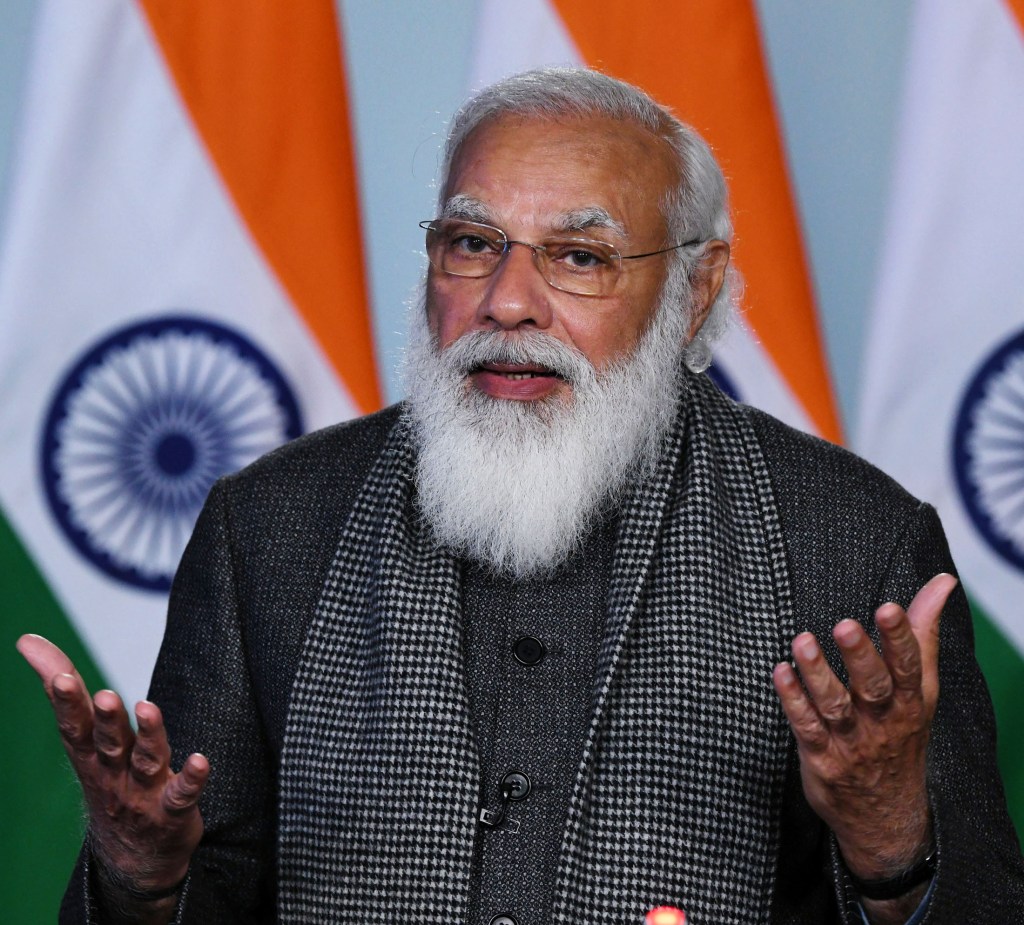
Adding to the news cycle around this week’s G20 summit in India has been a seemingly
innocuous detail: placards for Tuesday’s dinner invitations. President Droupadi Murmu, usually
referred to as “President of India” on such formalities, was listed as “President of Bharat,” another
official term for India that also appears in the Indian constitution. A spokesman for the country’s
ruling party referred to Prime Minister Modi as “Prime Minister of Bharat” in a Tweet the same day, fueling speculation that an official name change may be on the agenda at the upcoming parliamentary session.
The name of the country itself is just the latest naming controversy in India. The ruling
Bharatiya Janata Party (BJP) has initiated the changing of scores of names associated with both British colonial rule and the earlier Mughal period, an Islamic empire that conquered much of the subcontinent in the 15th and 16th centuries. Monuments and streets named for Mughal rulers have been redesignated with Hindu names, while entire cities like Chennai (formerly Madras) have received less Anglicized names. BJP officials have argued that prioritizing Bharat over India falls into this de-Anglicization campaign, with one member of parliament arguing that “‘India’ was a name given by the colonial Raj and is thus a symbol of slavery.”
However, critics have argued that the renaming push is part of a BJP campaign to redefine
India’s history as belonging only to Hindus, erasing Anglican and especially Mughal influences on Indian history. Modi’s government has often been accused of Hindu nationalism, with laws like the 2019 citizenship restructuring viewed by critics as an attempt to exclude India’s large Muslim minority from the BJP’s conception of the nation. Erasing names from the Mughal period, in this argument, is therefore a claim that the Mughals were an aberration equivalent to the colonial period rather than a synthesis of Indian and foreign influences, as many historians argue, and that Islamic influence on Indian history is something foreign as well. These critics fear that prioritizing “Bharat” over “India” is the next step in claiming the subcontinent’s history for Hindu nationalists, but it remains to be seen if the Modi government will actually commit to the change. Information Minister Arunag Thakur dismissed the speculation as a baseless rumor this week.
 The Patterson Journal of International Affairs
Leave a comment