Written by Allan Millward | September 17, 2023
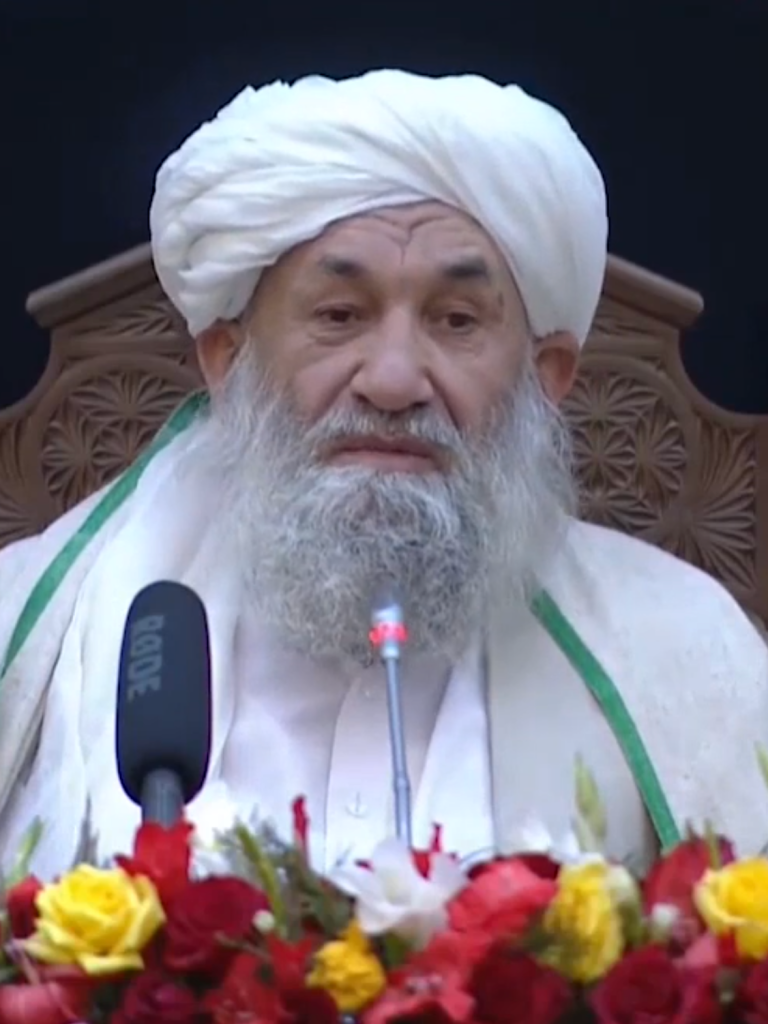
The Taliban welcomed China’s new ambassador to Afghanistan with all the pomp and circumstance they could muster last Wednesday. The lavish ceremony was held at the presidential palace where the Taliban’s Prime Minister Mohammad Hasan Akhund shook hands with Zhao Sheng before accepting his credentials. The Taliban proudly displayed the photo on X (formerly Twitter) and a spokesman for the group waxed philosophically about how this appointment “…would elevate the diplomatic relations between the two countries to a higher level and the beginning of a new chapter.” Despite the Taliban’s efforts to play up what would typically be a rather mundane affair to a monumental moment, it did not alter their international isolation. It did not change the fact that not a single foreign government officially recognizes the Taliban’s rule. It did not change the fact that most countries and entities, including the European Union and Pakistan, that have sent senior diplomats to the country have used the title ‘charge d’affaires’ which allows them to avoid presenting ambassadorial credentials to the host nation. Perhaps for the Taliban, what happened last Wednesday was a monumental moment; when so few recognize your legitimacy even the mundane can seem monumental.
While China is now the first country to name a new ambassador to Afghanistan post-Taliban takeover, they have not indicated that they intend to formally recognize the new rulers. The Chinese Ministry of Foreign Affairs even played down the meeting claiming, “this is the normal rotation of China’s ambassador to Afghanistan and is intended to continue advancing dialogue and cooperation between China and Afghanistan.” China’s previous Ambassador Wang Yu served from 2019 until August 2023. For China, the move is strategic. It shares a border with Afghanistan and has made substantial investments in the region. Since the Taliban’s take-over, China has stressed regional cooperation on antiterrorism and economic collaboration. In May, the two had a trilateral meeting with Pakistan to strengthen counterterrorism efforts and it was agreed that Afghanistan would be brought into the China-Pakistan Economic Corridor, a 60-billion-dollar Belt and Road project. Yet despite these wins, the Taliban still struggles to achieve something from China that the typical state takes as a given, formal recognition.
 The Patterson Journal of International Affairs
Leave a comment