Written by Mariana Hinojosa Castillo | April 1,2024
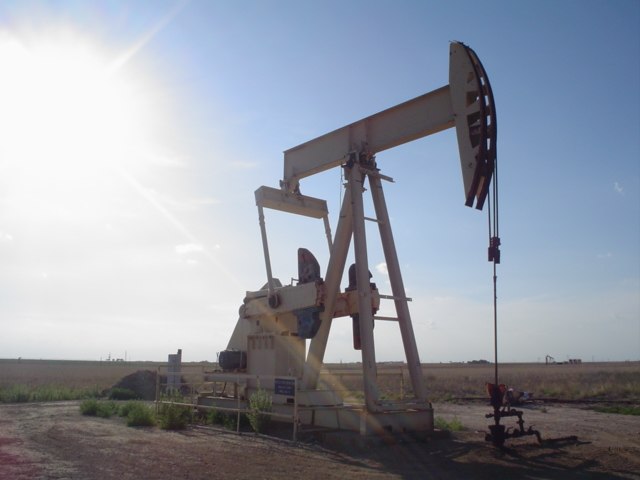
Oil Well
After five months of diplomatic and trade tensions, Kenya and Uganda appear to be closer to reaching an understanding regarding their oil dispute. On March 27, Kenya’s Energy Cabinet Secretary shared that plans were underway to issue a permit to the Uganda Oil Corporation (UNOC). This license would not only allow UNOC to enter Kenya as a direct importer but could also potentially resolve the current fallout between the neighboring countries. However, the Secretary emphasized that the issuance represented a mutual opportunity rather than a concession.
UNOC plans to directly import fuel from Vitol Bahrain through the Kenya Pipeline Company (KPC). Although this could represent a substantial hit to the revenues of local oil marketing companies, KPC would not suffer any revenue losses as UNOC would continue using its storage facilities and transport network. Furthermore, Kenya has already suffered an estimated $200 million loss from the energy conflict and critics have pointed out that the country has other regional diplomatic strains to address.
A year of fallouts
In 2022, Uganda imported $1.6 billion worth of petroleum products, around 90% of the products were imported through Kenya and handled by the KPC. However, the trading partnership suffered major changes during 2023. Back in April, the neighboring countries fell out after Kenya unilaterally signed a deal to import fuel on credit from the three Gulf oil majors: Saudi Aramco, Abu Dhabi National Oil Corporation, and Emirates National Oil Company. The arrangement allowed a six-month delay in payments to the international suppliers, with all the money kept in a high-interest-earning account.
The Kenyan government saw this arrangement as a necessary step due to the country’s shortage of US dollars. However, Uganda believed the deal was harmful as it would expose neighboring nations to high pump costs. In response, Uganda negotiated a deal to grant Vitol Bahrain exclusive rights to supply its fuel. The dispute escalated when a few weeks later Kenya denied Uganda’s bid to use its pipeline for fuel transportation from the port of Mombasa directly into Uganda’s capital, Kampala.
Kenya’s Energy and Petroleum Regulatory Authority (EPRA) argued that UNOC failed to comply with the legal requirements. This rejection prompted Uganda to shift to Tanzania’s Dar es Salaam port as its entry point for oil imports and to take the case to the East African Court of Justice in December. This legal move represented a rare occurrence, as “it’s a rarity for an African country to sue another in an African court” said Nasong’o Muliro, Research Fellow at the Global Centre for Policy and Strategy.
 The Patterson Journal of International Affairs
Leave a comment