By Abigail BeDard
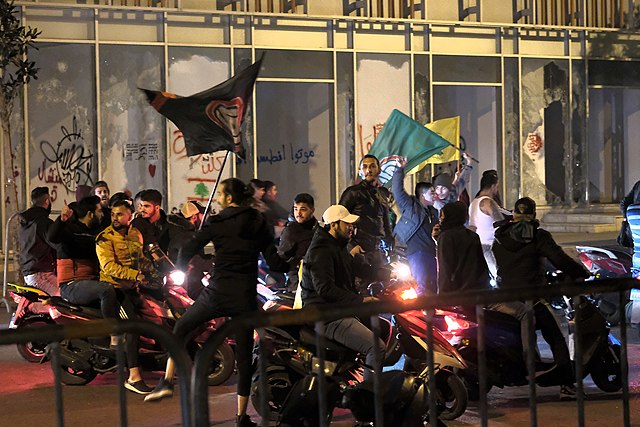
This week saw a stark escalation in the conflict between Israel and Hezbollah, an Iranian backed militant group in Lebanon. On Tuesday, thousands of handheld pagers used by members of Hezbollah were simultaneously detonated in a sophisticated and brutal attack that has been attributed to Israel. The following day, blasts rang out across Lebanon once more as thousands of walkie-talkies used by the group were also detonated. The explosions are reported to have killed at least 37 people so far and injured over 3,000.
The attacks have caused far-reaching terror and suspicion of electronic devices throughout Lebanon. In an interview with the BBC, a Lebanese woman identified only as Ghida shared her experience, “Everyone is just panicking… We don’t know if we can stay next to our laptops, our phones. Everything seems like a danger at this point, and no one knows what to do”. A senior Lebanese security official reported they believe Mossad, Israel’s intelligence agency, planted explosives inside 5,000 Taiwan-made pagers ordered by Hezbollah several months ago. Despite widespread belief that Israel was behind the attacks, they have neither confirmed nor denied their involvement.
Tensions did not ease as the week wore on, with Israel launching an airstrike in Lebanon on Friday. The strike hit a building in a crowded Beirut suburb, injuring dozens and killing at least 14 people. Among the dead was Ibrahim Aqil, a senior Hezbollah commander who has long been wanted by the United States for his suspected involvement in the 1983 bombing of the U.S. embassy in Beirut. The Israeli strike came just two days after Yoav Gallant, Israeli Minister of Defense announced via X, “We are at the start of a new phase in the war – we are allocating resources and forces to the northern arena and our mission is clear: ensuring the safe return of Israel’s northern communities to their homes. To do so, the security situation must be changed”.Lebanon, a country without a president and in debilitating economic decline, is already considered a failed state by many and has been further destabilized by these attacks. However, Hassan Nasrallah, the leader of Hezbollah, appears to be much more optimistic than many of his fellow countrymen. In a video released on Thursday, he claimed the attacks did not shake Hezbollah’s faith, “On the contrary, this turned us more resolved, more robust and more adamant”. While White House national security spokesperson John Kirby asserted, “War is not inevitable … and we’re going to continue to do everything we can to try to prevent it”, and U.S. Secretary of State Anthony Blinken urged restraint from both sides, the prospect of de-escalation seems unlikely at the current moment as the possibility of a wider regional war looms heavy on the horizon.
 The Patterson Journal of International Affairs
Leave a comment