By Lexi Dean
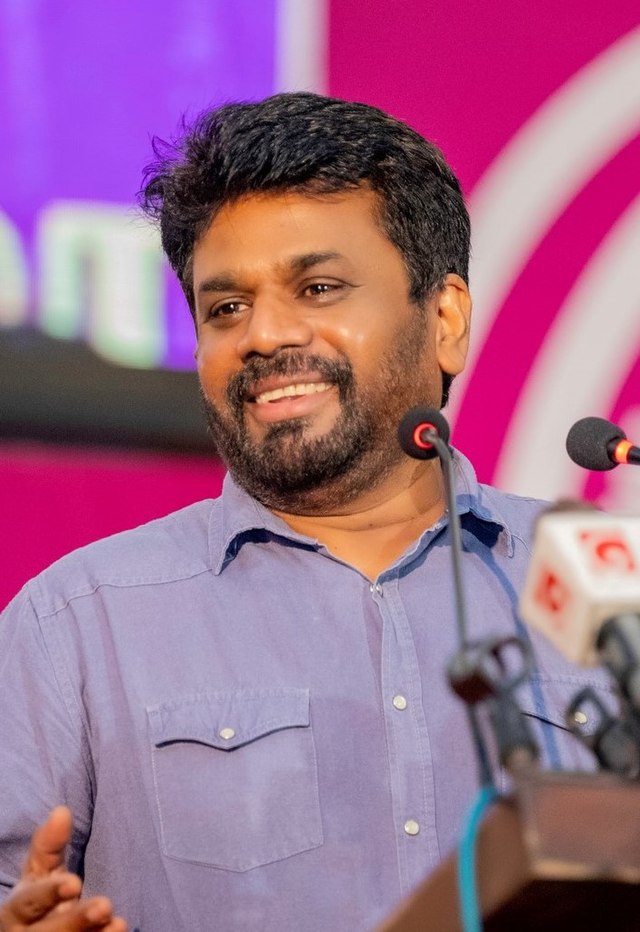
Anura Kumara Dissanayake was sworn in as president of Sri Lanka last week in a political upset against an opponent that citizens blamed for failing to alleviate economic suffering. Dissanayake’s campaign focused on support for economic growth and renegotiating a deal with the International Monetary Fund (IMF) that would help ease economic tension in the country. After he was elected, the president confirmed his commitment to restart talks with the IMF to find a way out of the crisis. Dissanayake’s political party, Janatha Vimukthi Peramuna (JVP), concerns others because of its start as a revolutionary Marxist-Leninist movement that led insurrections causing thousands of deaths. The party was also involved in Sri Lanka’s 2022 protests challenging a government that led the country to its worst economic crisis since their independence. When Dissanayake became party leader, he apologized for the party’s activities and has continued to distance from its disturbing past. In doing so, the JVP’s ideology has shifted to a more relaxed tone stressing unity and support for a market economy.
The newly elected president carries a heavy burden to fight corruption, relieve economic suffering, and balance relationships that will advance the country within the region. Specifically, Dissanayake’s government must balance crucial regional partners: India and China. Sri Lanka is located on a major international shipping lane which interests the major regional powers. India and China continue to fight for influence in Sri Lanka. The JVP typically aligns more ideologically with China, but it must be cautious of relying too heavily on loans which has already contributed to a high debt owed to China. China claims it wants to assist the new Sri Lankan president in boosting development and cooperation in building China’s Belt and Road Initiative. Meanwhile, India insists on assisting the country with investment and reducing a reliance on China. Chinese research ships have previously docked at Sri Lankan ports which sparked security concerns in India over growing Chinese influence in the Indo-Pacific. Dissanayake will have to navigate the rivalry between these major powers and follow through on promises to promote economic growth.
 The Patterson Journal of International Affairs
Leave a comment