By John W. Parks.
Edited by Jose Miguel
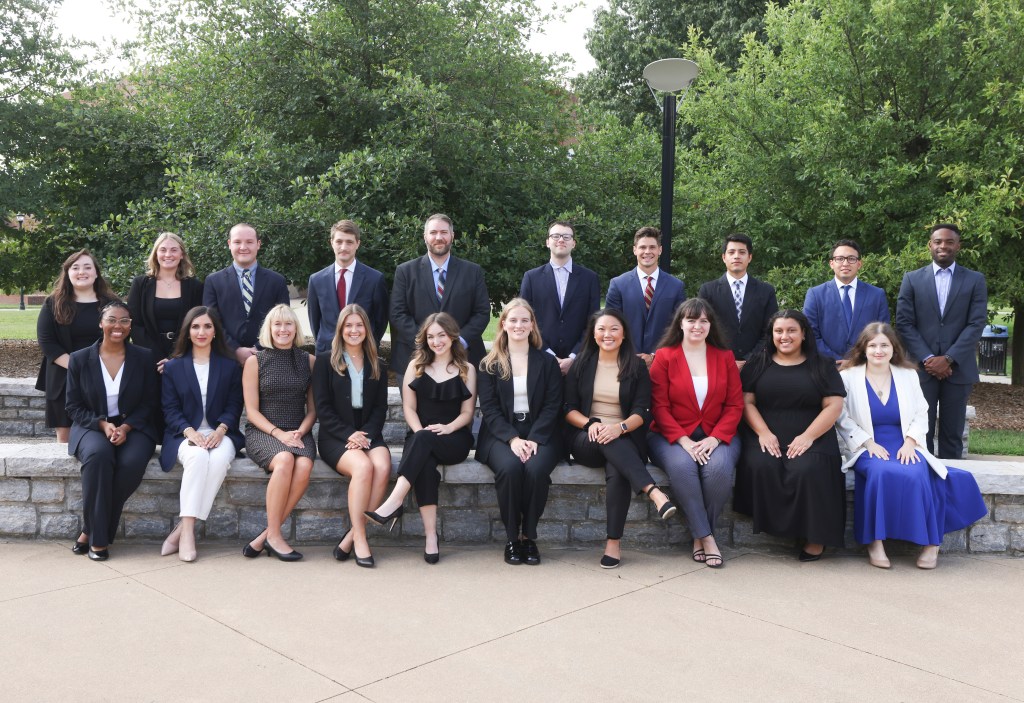
This year’s ISCNE Army War College wargaming scenario was held at the Patterson School October 4-5, 2024. The scenario was attended by students representing China, India, Kazakhstan, Kyrgyzstan, Russia, Tajikistan, and Uzbekistan. Issues regarding water resource and great power competition was at the heart of all negotiations. Each delegation had their own objectives pertaining to the overarching issue based on specific historical and political resources at play in the region.
The growing crisis in Central Asia is dynamic and complex requiring exploring possible multidynamic solutions. The potential for clashes between Kazakhstan, Kyrgyzstan, Tajikistan, and Uzbekistan increases daily without mediation from foreign powers or a mutual understanding. China, India, and Russia sought to impose political goals on the Central Asian states seeking to cement their regional influence. However, border disputes, water rights, ethno-religious disagreements, and great power competition threaten diplomatic efforts and interstate cooperation.
The complexity of the Central Asian crisis was quickly realized by students of the scenario. After convening with UN Secretary General, day one negotiations produced little progress as delegations met to gauge each other’s stance and goals. This tactic was largely abandoned after the first and second round of negotiations and teams that held firm were deemed unfriendly or inhibitors of the exercise. Emotions ran high by the end of the first day.
The Ferghana Valley, was crucial for simulation and the question of war or diplomacy due to its the highly population due to water access. Portions of this region are claimed by Kyrgyzstan, Tajikistan, and Uzbekistan, but borders are not clearly defined and ever-changing. Success of the Central Asian states is largely dependent on control of these rivers. Delegations returned to negotiations bright and early for day two with a determination for progress and a focus on this looming issue.
Central Asian delegates felt the pressure of this issue in the first round of negotiations on day two. Kazakhstan headed an effort to unite the “Stans” under a Memorandum of Understanding that water rights would be shared across their borders in exchange for certain economic benefits. Questions regarding alignment threatened the success of this deal. Kyrgyz delegates were hesitant to forgo their relationship with China to instead select India as the premier support role for the Central Asian states. After a heated debate with Kazakh, Indian, and Chinese delegates during a multilateral negotiation, Kyrgyzstan ultimately accepted Indian support. Other delegates met simultaneously to enter various other MOUs with the Great Power states of China, India, and Russia.
A major highlight of the exercise was the authenticity of Chinese and Indian delegates who seemed to never agree. Neither could have been as true to fact as the Russian delegation who won the “Kool-Aid” award for their portrayal of a lonely and forgotten Russia. The accurate attitudes of the Great Power states lent to the excitement of negotiations they attended and made success intentionally difficult to achieve.
The portrayal of a complicated Central Asian crisis made for an excellent learning challenge for Patterson students. Delegations evolved their tactics over the exercise, seeking something that worked best. Some delegations split their team, sending the same representatives to negotiations with delegates they had worked with before. Other teams employed a live-notetaking strategy via Google Doc to communicate with delegates in other negotiations. Team meetings between negotiation rounds challenged the communication skills of delegations when deciding on the next steps they should take.
Though total peace was not achieved during the exercise, Patterson students ended negotiations with better diplomatic skills and increased knowledge of a major geopolitical issue. Patterson School thanks the designers and facilitators of the ISCNE scenario for offering this useful and unique learning opportunity.
 The Patterson Journal of International Affairs
Leave a comment