By William Crawford
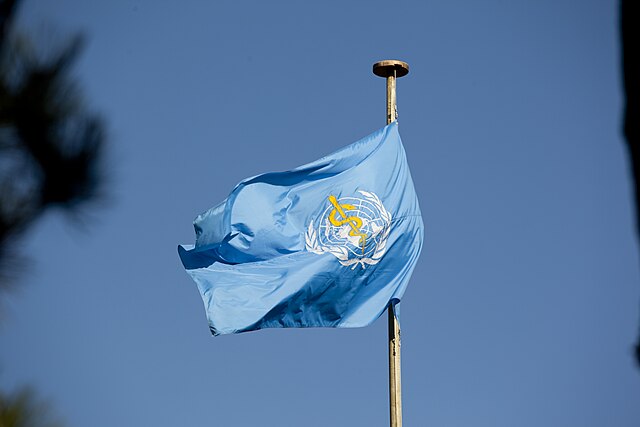
For the first time since 2010, a country has received malaria-free certification from the World Health Organization (WHO). Egypt is the third country in the WHO Eastern Mediterranean Region to receive this certification, joining 44 countries and 1 territory globally. The disease, transmitted by Anopheles mosquitoes, has a history in the country for as long as there has been the idea of Egypt. Called “the disease that plagued pharaohs” by Dr. Tedros Adhanom Ghebreyesus, WHO Director-General, genetic evidence of the disease was found in the mummy of Tutankhamun. Efforts to combat malaria in Egypt date to the 1920s, when a prohibition on the cultivation of rice near homes hoped to reduce human-mosquito contact. Now after nearly 100 years form this initial effort, Egypt can call itself malaria-free.
WHO certification of being malaria-free is a difficult achievement. Certification requires a country to prove, “beyond reasonable doubt” that the chain of local transmission has been interrupted throughout the entire country for 3 consecutive years, and that the country has established a functional surveillance and response system that can prevent reemergence. This involves a ten step process involving the WHO’s Technical Advisory Group on Malaria Elimination and Certification, after which a country can be certified as malaria-free.
This achievement, in many ways, demonstrates the importance and continued viability of international cooperation. Egypt’s long journey to malaria elimination has seen many difficulties and setbacks. Since its first attempts at malaria elimination, Egypt has suffered many outbreaks of malaria. From there spike in 1942 caused by Second World War displacement, Egypt has slowly made progress over time in the management of malaria in the country. All this was done in collaboration with the WHO and especially with its southern neighbor, Sudan. Cooperation between Egypt and its allies in its war against malaria, is an example of the benefits of collaboration in accomplishing even that which, at one time, might not seem possible.
 The Patterson Journal of International Affairs
Leave a comment