By Connor Foster
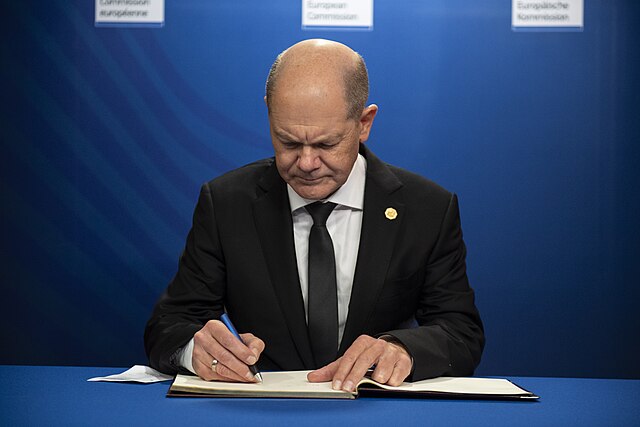
Economic tensions in Germany have come to a head this week as Chancellor Olaf Scholz has fired Finance Minister Christian Lindner. The break occurred over differing ideas about how to stimulate Germany’s struggling economy. This move has been particularly damaging to the governing coalition because Lindner is also the head of one of the coalition parties. As a result, two other cabinet members in Lindner’s party issued their resignation. This leaves the German political process in a precarious spot because the Chancellor no longer has the majority in parliament and therefore does not have clear support for any legislation that goes through the body. This puts the upcoming budget approval, additional aid to Ukraine, and advanced defense spending in jeopardy of not having enough support to pass. Opposition parties, including the conservative party headed by Friedrich Merz, are calling for snap elections, claiming that European politics need a strong German government at the moment.
There are several domestic and international concerns that highlight the danger behind a fractured German government. One is that any dissent among the coalition opens up space for the far-right AfD party to make additional gains in support. Another concern is what the recent U.S. election entails for European security and economic stability. The election of Donald Trump will likely entail increased tariffs on all European goods, putting an even greater strain on German growth. In addition, Trump’s threats to cease aid to Ukraine puts Germany in a difficult position as the 2nd highest contributor of aid. There are certainly concerns that without the U.S. desiring to play an active role in Europe and Germany as the largest economy in Europe being immobilized that Ukraine may fall out of the west’s protection. It will be absolutely vital for Germany’s government to unite under common goals of furthering economic prosperity, especially in the face of American tariffs, and protecting European security more broadly.
 The Patterson Journal of International Affairs
Leave a comment