By Matthew Grace
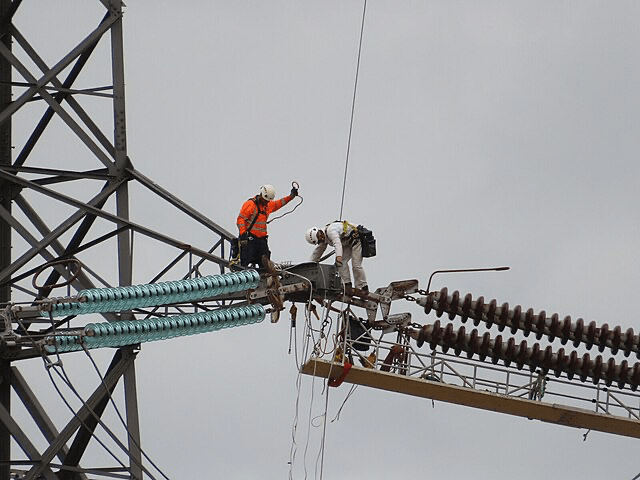
Estonia, Latvia, and Lithuania have begun the process of abandoning Russia’s electricity grid and switch over to the EU’s network. The process was scheduled to occur over two days, beginning on February 8th with announcements given for all citizens to charge their devices, stock up of food and water supplies, and prepare in case of weather emergencies. Citizens were discouraged from using elevators and certain traffic lights would not be operating. The Baltic countries are operating on “island operation mode” before they can connect to Polish, Swedish, and Finnish power grids. A standardized specially made clock will count down the final seconds before this historic transition occurs in the Lithuanian capital of Vilnius on February 9th which will be attended by EU chief Ursula von der Leyen. The transmission lines between Russia, Belarus, Russian-Kaliningrad, and the Baltic countries will be switched off sequentially (including underwater cables in the Baltic Sea).
After three and a half decades of independence from the Soviet Union, the Baltic states will officially transition away from the Russian grid that they have been a part of since the end of the Second World War. Since the Russian invasion of Ukraine, the Baltic states dialed up their efforts in abandoning the “Brell power grid” (Belarus, Russia, Estonia, Latvia, and Lithuania), which is entirely controlled by Moscow and has been viewed as a security threat for decades, especially since the states are NATO members. Although the Baltic states have not purchased Russian electricity since 2022, they sought to cut all dependency ties with Russia, Lithuania’s Energy Prime Minister Zygimantas Vaiciunas stated, “We are now removing Russia’s ability to use the electricity system as a tool of geopolitical blackmail”. Lithuanian President Gitanas Nauseda announced “This is physical disconnection from the last remaining element of our reliance on the Russian and Belarusian energy system”. Once the Baltic states connect to the EU grid on February 9th, the “energy island” dependent upon Russia will have been broken said Prof. David Smith of the Baltic Research Unit at the University of Glasgow, marking a permanent severance from Russia for the Baltic countries.
 The Patterson Journal of International Affairs
Leave a comment