By Connor Foster
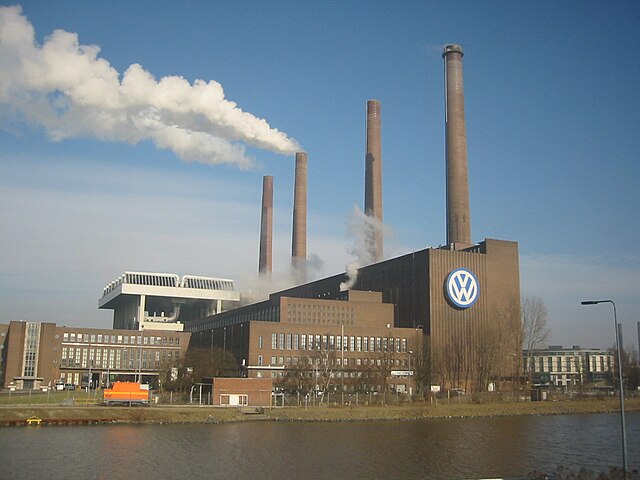
Volkswagen plant
The automotive industry is going through major changes as the popularity of electric vehicles grows and the influence of Chinese industry spreads. The German economy in particular is struggling with these shifts because of its reliance on the automotive, engineering, and manufacturing industries. For the first time in the company’s history Volkswagen is considering closing factories in Germany in a desperate effort to cut costs as the global automotive business moves on without them. Another measure that is being considered is ending a longstanding employment protection agreement with the labor unions. This would ultimately lead to at least 2,500 people losing their jobs in the cities of Osnabruck and Dresden. These plans are being met with strong disapproval from labor unions like IG Metall, but also by the government which is acknowledging that plant closures would also result in the closure of many German companies who supply Volkswagen plants.
Some have compared this situation to the deterioration of the automotive industry in Detroit, as Volkswagen has become the lowest performing automaker in Europe. A prominent reason for this decline is the lack of foresight Volkswagen had when they initially decided to expand business operations to China. The company was making record-breaking profits from this move, but they assumed Chinese technology would never catch up enough to pose a competitive threat. China’s rise in technology and production has as stolen market space in China from Volkswagen, but also is becoming more dominant in the European market. This situation reflects the larger decline of industry across Europe as rising economic powerhouses like China and India fill that space. The economic pains that industry decline creates are pushing voters to more seriously consider electing the far-right Alternative for Germany (AfD) party. One reason for this is the AfD’s opposition to EU environmental standards and restrictions that are perceived to harm automakers through emissions targets and the ban on carbon-dioxide-emitting cars. This past week has seen the AfD gain the most votes in state elections of any far-right party since WII, which is sign of the importance of automaker recovery to the German people. In an ironic role reversal, it will be vital for European industry to catch up to electric vehicle competition in China.
 The Patterson Journal of International Affairs
Leave a comment