By Lexi Dean
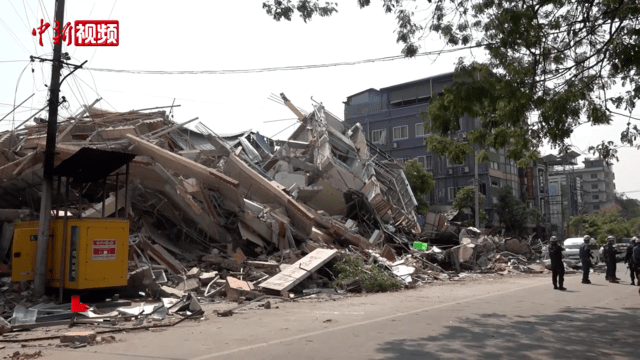
After the devastating 7.7 magnitude earthquake in Myanmar on March 28, experts question how this natural disaster may exacerbate humanitarian needs and existing political tensions. The earthquake’s death toll now reaches over 3,300 people, with almost 5,000 injured and 221 missing. While Myanmar already suffers humanitarian devastations from the civil war with more than 3 million people displaced and about 20 million in need of assistance before the earthquake even hit, this tragic event now places the country in further demand. Many civilians are now camping out in the open, scared, or unable to return home after the earthquake destroyed homes, communities, and critical infrastructure. Extreme heat and heavy rain could cause disease outbreaks among these survivors. Hospitals, while damaged and destroyed in the affected areas, have started to set up temporary facilities. The World Health Organization flagged a rising risk of diseases such as cholera, skin disease, malaria, and dengue from a prolonged crisis. The international community responded to the devastation by sending search and rescue teams and medical crews into Myanmar.
The existing humanitarian crisis due to a continuing civil war concerns the international community, especially Western countries displeased with the military government’s overthrowing of the previous democratic government in 2021 and subsequent human rights abuses. However, over the past week, ethnic minority guerrillas and armed resistance groups that have been declaring temporary ceasefires as to not aggravate the flow of humanitarian aid to those impacted by the earthquake. Further, the military government declared a unilateral ceasefire to carry out rescue and recovery operations to last until April 22. All sides in their ceasefires reserved the right to act in self-defense. Experts optimistically hope that these ceasefires may hold to provide for peacemaking efforts in Myanmar. While international peacemaking or mediation historically works better than disasters in creating a lasting peace deal, disasters at time have the ability to act as “a catalyst to foster cooperation among adversaries, reduce conflict, and lay the groundwork for peace,” according to the Institute for Strategy and Policy. Ideally, these ceasefires will pave the way for building measures and long-term political resolution including establishing safe zones, providing humanitarian corridors for aid delivery, and facilitating management of aid. These prospects seem unstable though due to almost immediate continuation of military attacks after announcing a ceasefire, according to the UN Human Rights Office. As Myanmar continues recovering from the devastating earthquake, the international community hopes that “disaster diplomacy” can lead to a lasting peace and end to years of unrest and violence within the country.
 The Patterson Journal of International Affairs
Leave a comment